Request a meeting with your local forester
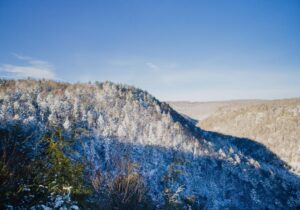
As one of the most forested states in the country, West Virginia has an abundance of woodland to manage. There are more than 260,000 non-industrial private woodland owners in the Mountain State, many of whom are eligible for assistance that will help them protect and manage those woodlands for generations to come.
The West Virginia Division of Forestry’s Landowner Assistance program is designed to help private landowners effectively manage their land to support their individual needs and goals.
According to Charles Copeland, Assistant State Forester of Forest Management, the WVDOF has helped numerous landowners obtain their goals through proper forest management. They also have guided many landowners across the state in obtaining financial assistance from the Natural Resources Conservation Service (NRCS) to help them reach their goals for their property.
How the Program Works
Good planning and properly applied forest management activities are the key to meeting the landowner’s objectives for the forest. The WVDOF works with landowners to determine their goals, whether they involve timber production, recreation or wildlife management. The service forester then writes a stewardship plan and steers the landowner in the right direction for financial assistance to help them reach those goals.
Most programs require that a landowner has at least 10 acres of forestland to qualify for assistance. If the state forester does not have time to assist the landowner, they will be referred to a list of consulting foresters. The landowner can choose a forester from the list and fill out a Stewardship Plan application and the consulting forester can receive cost-share assistance to prepare a plan for the property.
Partnerships & Resources
The West Virginia Division of Forestry has a long-term working relationship with the U.S. Forest Service. Specifically, the WVDOF is awarded grants to ensure that Forest Stewardship plans can be written in the state. State foresters also work closely with the Natural Resources Conservation Service to provide technical assistance to landowners who sign up for financial assistance.
Landowners can sign up for a variety of practices with the NRCS such as:
- Invasive species treatment
- Grapevine removal
- Forest stand improvement
- Tree planting
- Early successional habitat
- Forest trails
Long-Term Benefits
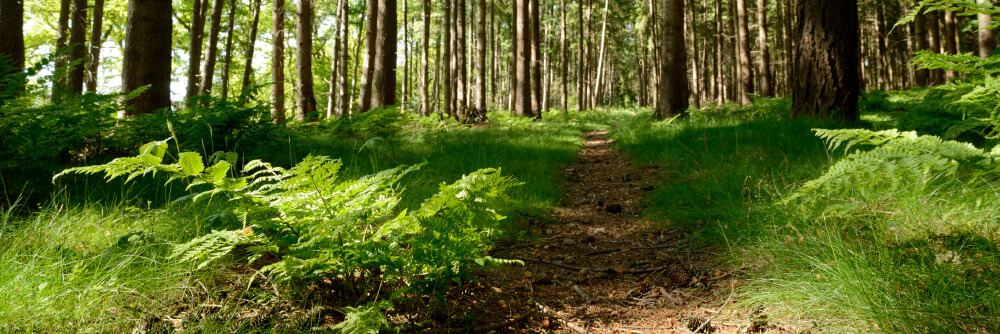
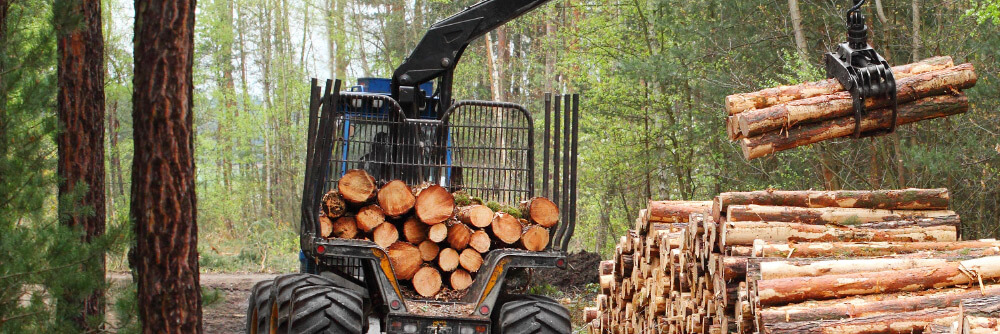
Landowners who follow a management plan will see many benefits for their forestland. A properly managed forest is generally healthier and has a more biodiverse plant and animal community. Forests filter pollutants from the air and water, contributing to cleaner air and water resources. Managed forests form a sustainable source of timber and other forest products, which support industry and provide jobs. Managed forests also provide recreational opportunities such as hiking, ATV riding and hunting.
To learn more about the Landowners Assistance program and request a meeting with your local Service Forester, click here.
# # #