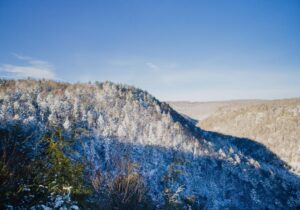
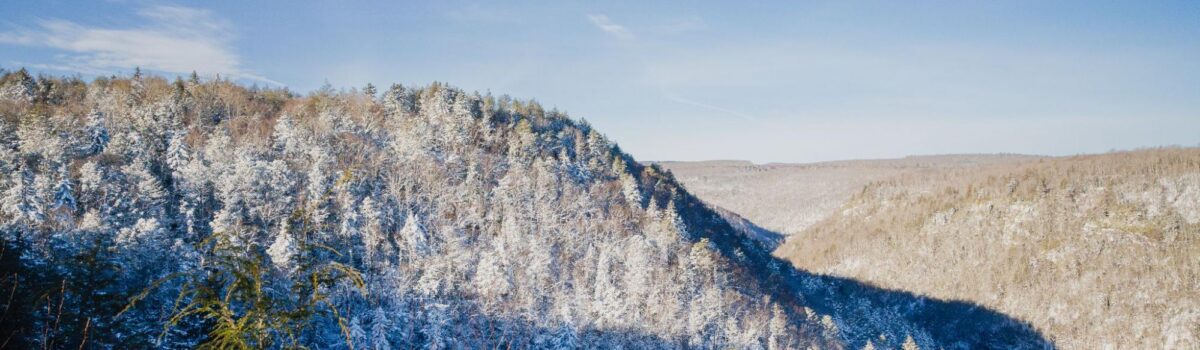
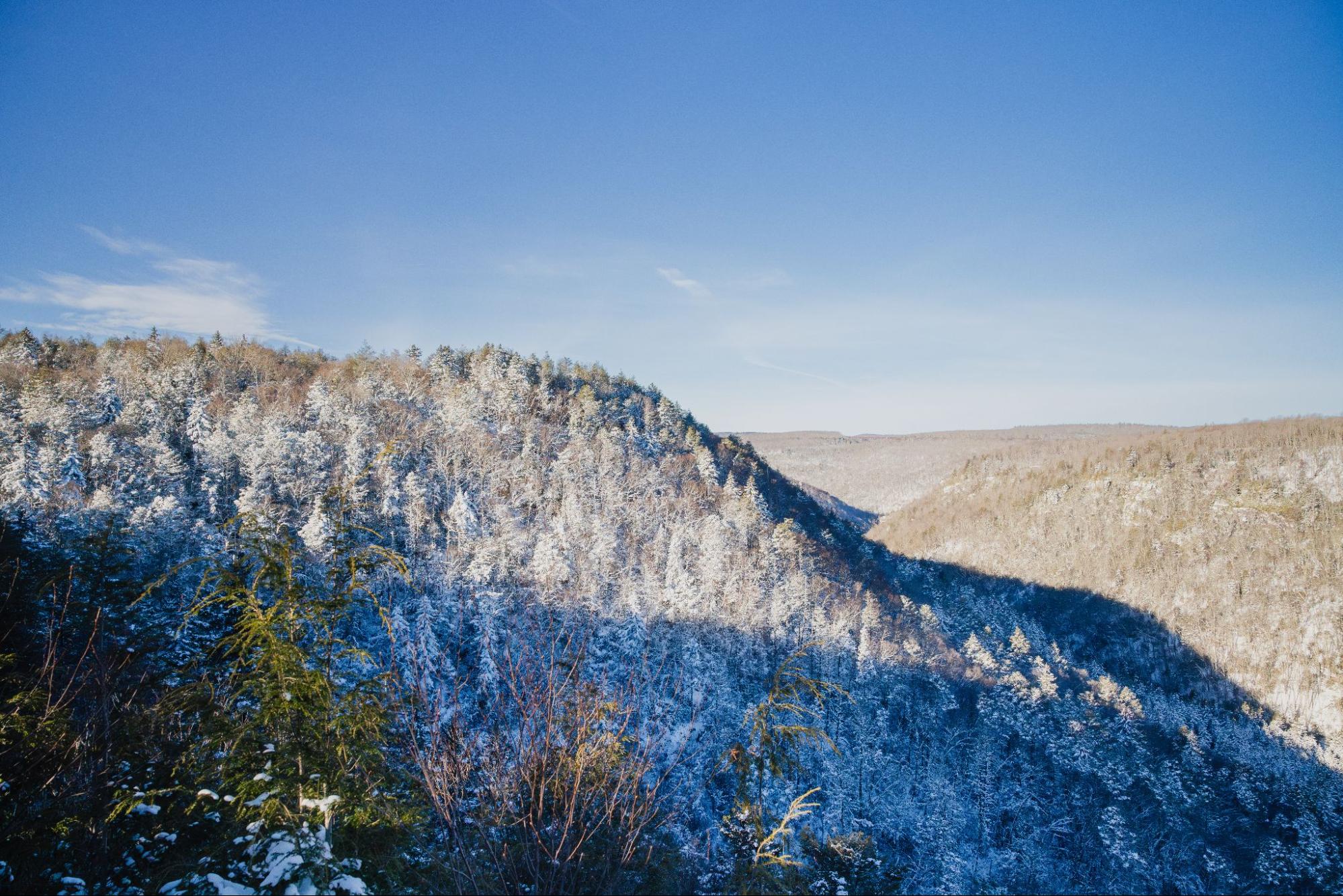
Did you know that animals aren’t the only living beings that take long naps in the winter? Trees also hibernate in their own way. The forestry term for this is “dormant,” said Linda Carnell, Assistant State Forester- Education & Communication. So, all those trees you see with their naked branches are actually just lying dormant while waiting for spring to arrive so they can come alive again.
“In the winter time, the tree becomes dormant. In other words, it’s almost like it’s asleep,” Carnell said.
Winter Nap
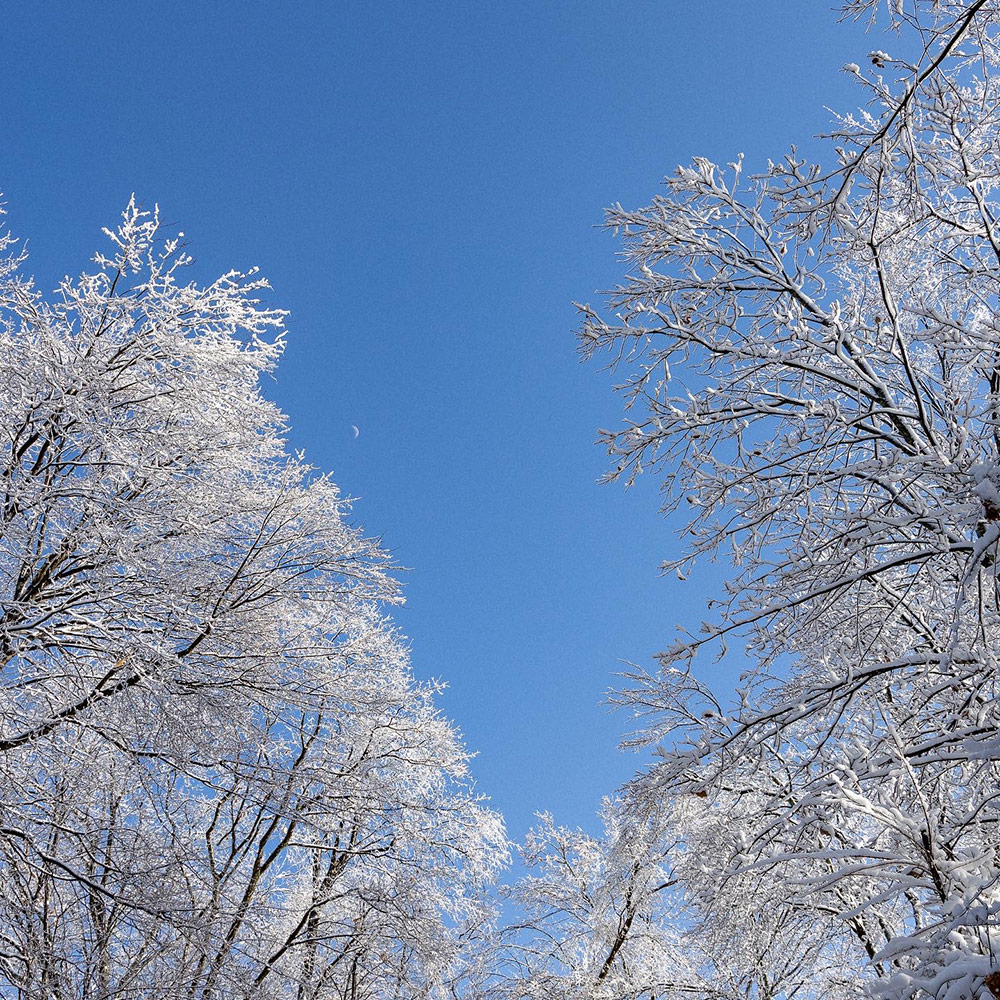
In the fall, deciduous trees such as maples and elms drop their leaves to prevent water loss and snow damage. Conifers (also called evergreens) keep their needles year round, but reduce photosynthesis to survive harsh winter conditions. The cuticle, or protective coating, on their needles helps guard against extreme temperatures.
“It’s still living–it’s just holding onto everything, because the temperatures are too cold to produce anything, the days are really short, the sun is not as strong, and the ground starts freezing. It’s almost like a suspended animation,” Carnell said.
During the winter months while the trees may appear asleep or even lifeless, there is plenty going on inside them and below the ground.Trees rely on stored food and use sugars as antifreeze to protect their cells from freezing. While in this state of dormancy, buds form protective shells and roots may even grow, using stored energy to prepare for spring growth.
Warming Up
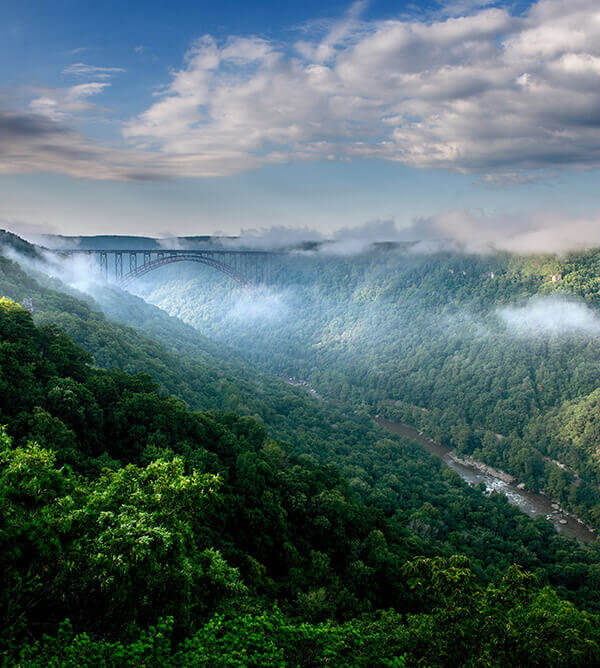
Trees remain in this dormant state until the days begin to grow longer and the air temperature begins to warm. Here in West Virginia you’ll probably see the first signs of spring in March, when some trees begin to sprout buds and new leaves.
“That’s why, when people make maple syrup, they’ll wait until the sap starts running,” Carnell said. “When the sap is running, that means the ground has warmed up enough, the days are getting a little warmer, and now that sap is moving and the tree becomes ‘awake’ again.”
So the next time you take a walk through the woods, take a moment to think about how trees also prepare for winter. Humans may put on warm hats, coats and gloves, but trees have their own winter protection, too!
# # #